Odour control
Odour reduction proven by measurement
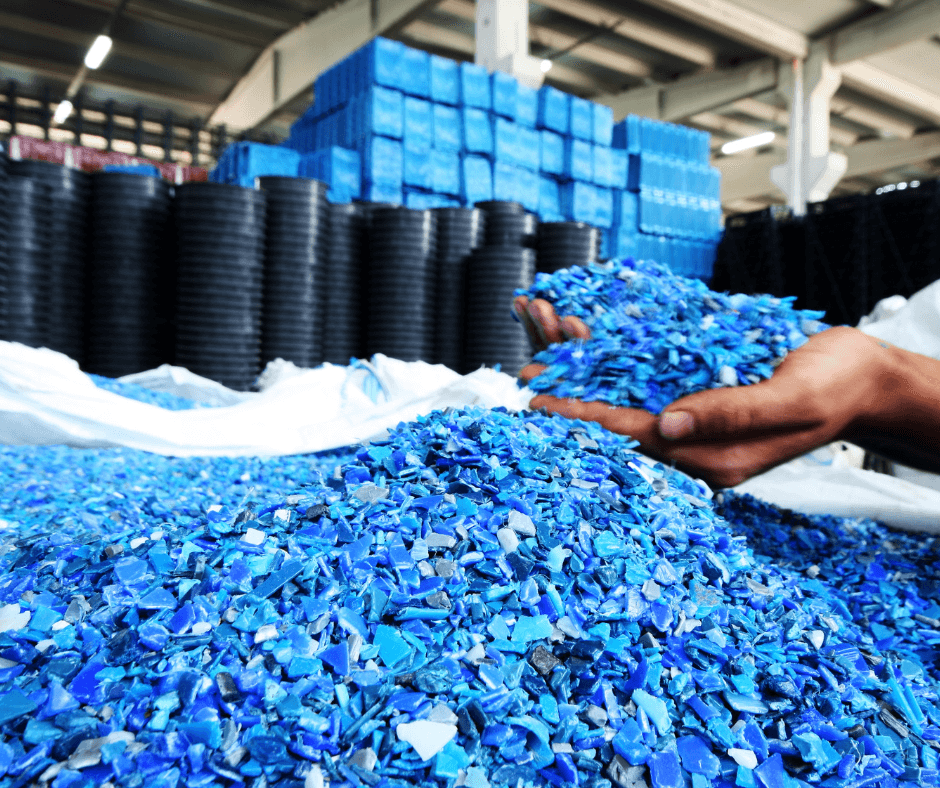
With modern odour reduction technologies, the most important question is not what a system promises, but what the measurements show.
Using a real industrial setting, we show how Telepszagtalanítás technology works in practice: what odour problem we dealt with, in what environment the intervention took place, and what results were achieved after commissioning.
Case study – plastics plant, Budapest
At the Budapest site of a Hungarian plastics company and in its immediate surroundings, a significant burnt-plastic type odour was noticeable.
The odour was strongly noticeable not only within the site but also in its surroundings, which justified installing a comprehensive odour reduction system.
After an on-site survey, the Telepszagtalanítás team installed odour control units at the critical emission points.
Measurement and verification – using international methodology
After commissioning, the system's effectiveness was subjected to an odour measurement study.
The aims of the study were:
to determine the efficiency of the odour reduction units
to assess the environmental odour load of the site
to compare the quality of the emitted air in treated and untreated states
Samples were taken on three separate production lines, at the outlets of the extraction stacks, in every case with the system both switched on and switched off.
Measurement results
Based on the test results, it can be clearly stated that the Telepszagtalanítás system:
✔️ significantly reduced odour concentration at all three measurement points,
✔️ reduced the highly irritating "burnt plastic" odour to a mild odour impact,
✔️ achieved odour reduction efficiency above 90% in every case,
✔️ the average efficiency of the whole system exceeded 95%.
Professional conclusion
Based on the measurement data, the system meets the relevant professional requirements.
For the treated air:
the previously strong, penetrating odour impact was significantly reduced,
the disturbing odour character of the outgoing air practically disappeared,
emissions fell substantially in terms of environmental load.
This case study clearly shows that odour reduction is not a theoretical question but measurable, documentable and verifiable technical performance.
The aim of Telepszagtalanítás technology is to answer odour problems not with estimates but with results proven by data.