Odour control
The fight against odour molecules
Odours are invisible, yet they are among the first things people notice. What usually gives away the operation of a plant or site is not noise or appearance, but the odour carried through the air.
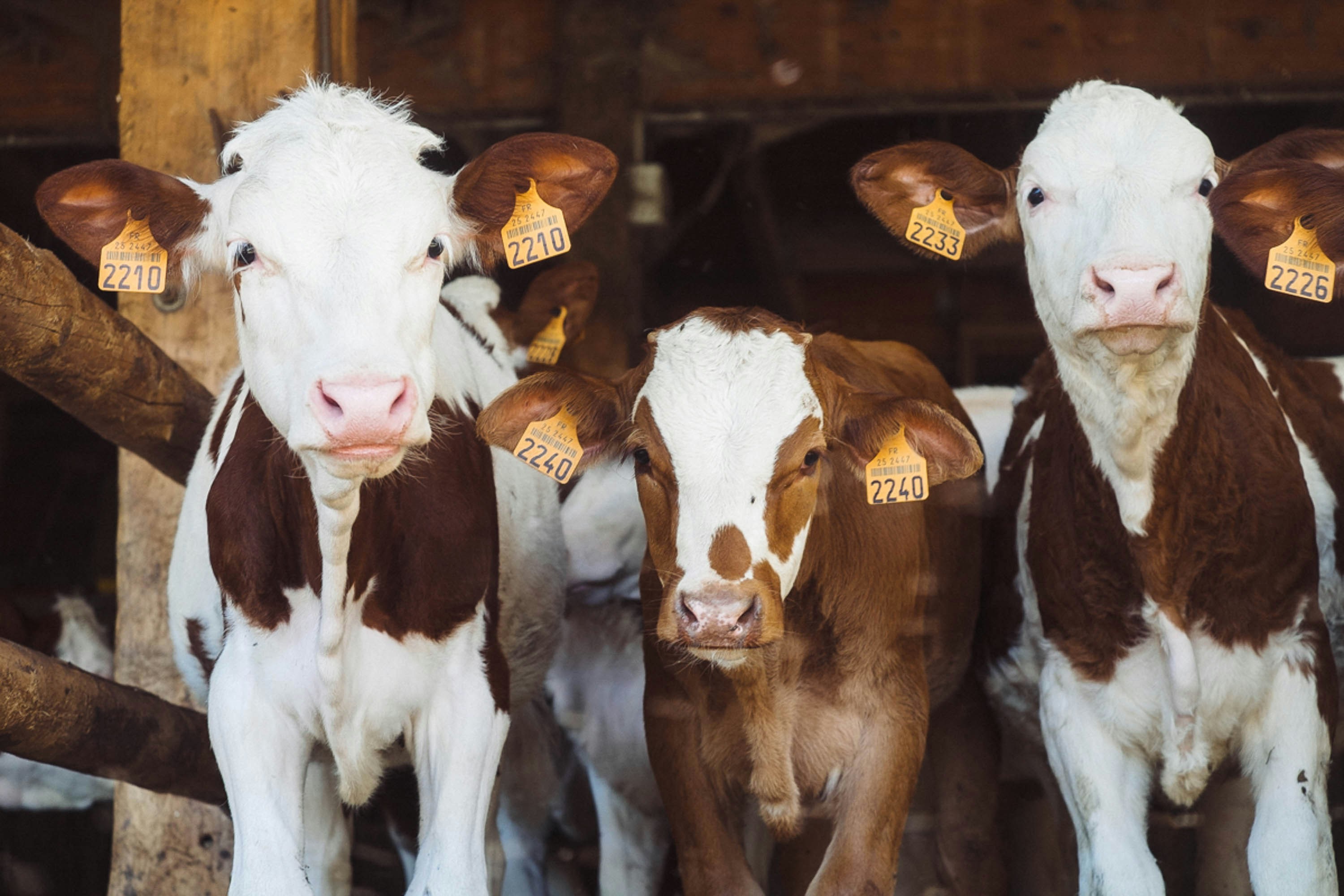
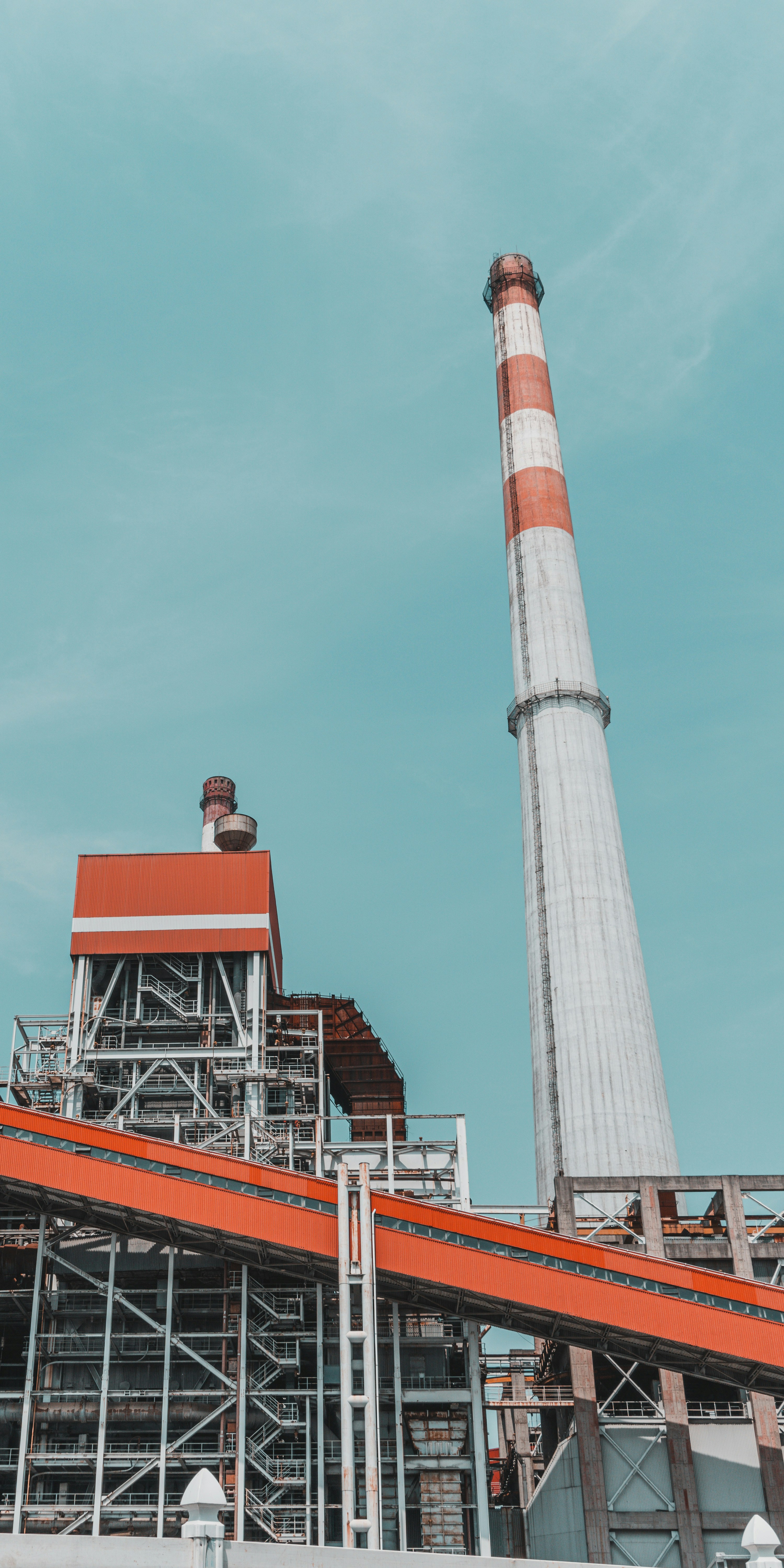
In industry, agriculture, livestock farming, waste management and wastewater treatment, odour generation is almost unavoidable, and sooner or later everyone involved has to face the challenge of odour control.
Unpleasant odours not only reduce comfort but are a constant source of conflict with local residents, and they also bring legal obligations: operators are responsible for managing their odour sources as required and for effectively reducing the odour nuisance released into the environment.
Why is odour pollution a problem?
It causes dissatisfaction among residents: over time, odour impact lowers quality of life and can generate constant complaints and conflicts in local communities.
It is an economic disadvantage: heavy odour pollution can reduce property values and deter tourism, making an entire area less attractive.
Regulatory pressure: environmental regulations are becoming ever stricter, so reducing odour emissions is not only a social expectation but can also be a legal obligation as well.
How can we know exactly how much odour our activity emits?
How strong or how disturbing an odour really is depends largely on the odour concentration of the odour-laden air leaving the emission sources in question.
The size of the resulting odour emission depends on several factors:
the nature of the technology (e.g. small-scale pig farming on bedding or large-scale farming with slurry-based technology),
the design of the technology (e.g. whether composting is an enclosed or an open process),
the nature of the raw and auxiliary materials used or processed (composting green waste produces different emissions from composting sewage sludge, for example).
Even with the same technology, odour emissions depend heavily on how the process is operated, on operating discipline, and on the proper maintenance and periodic inspection of the abatement equipment.
Which technology should be used against odours?
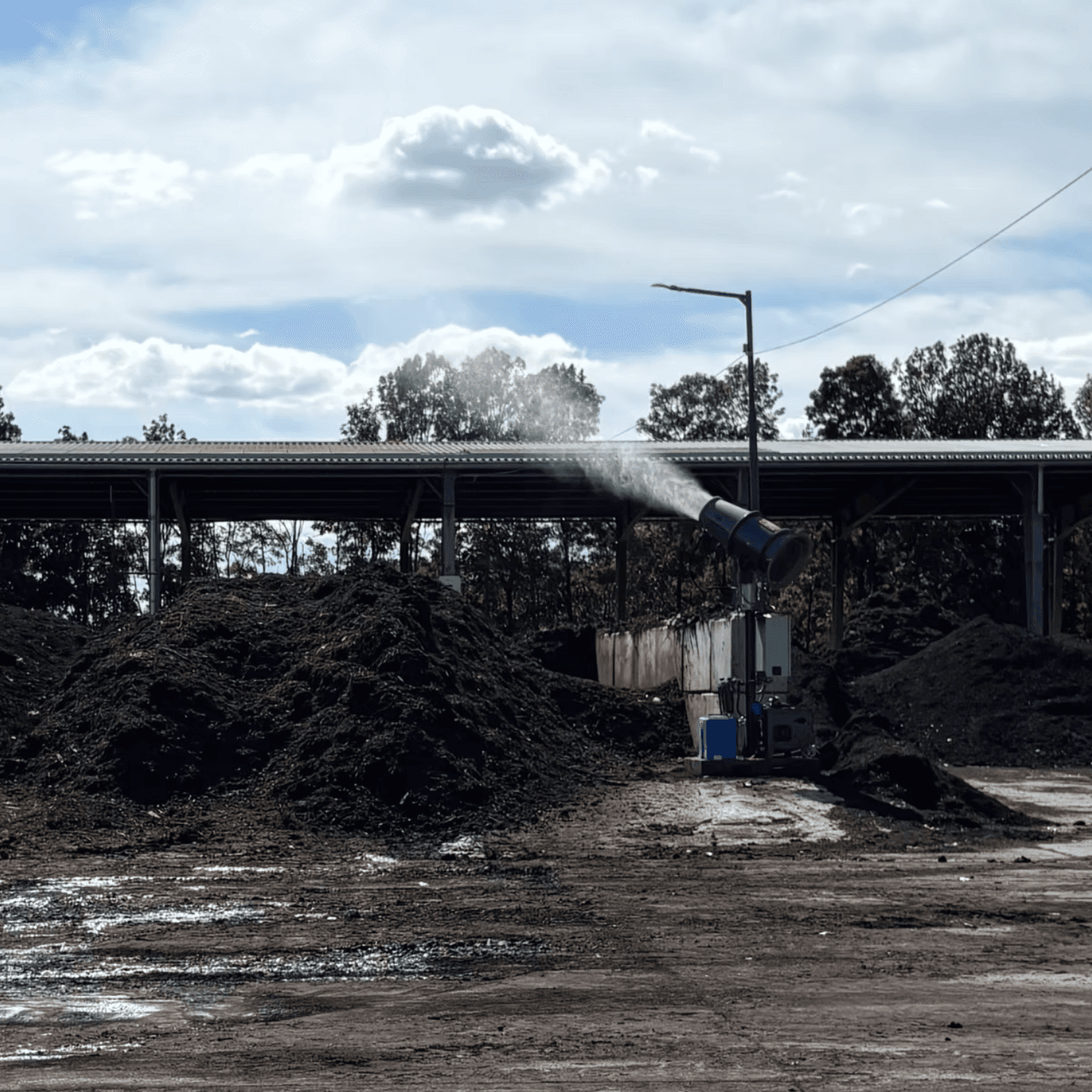
Telepszagtalanítás uses modern, unique technological processes that effectively neutralise unpleasant odours. The system does not mask the problem; it binds odorous substances at the molecular level, delivering a lasting and reliable result for every type of odour source.
Our odour control method is unique and simple, requiring just three things:
Electricity
Water
Odour control concentrate.
The core of the process is a special concentrate that forms micellar molecules in the air. These micelles "capture" and block the odour-causing molecules, so unpleasant odours are not merely masked but genuinely eliminated. The concentrate consists solely of water and natural extracts, is biodegradable and completely safe for both people and animals.
This technological solution is not a luxury but an investment in a peaceful environment, in the company's reputation and in the quality of community life.
Whether it is an agricultural site, an industrial facility or a community institution, this service makes a significant contribution to eliminating unpleasant odours, creating tangible benefits for everyone involved.
Proven results
Our results are always based on real facts. For measurements we use olfactometric testing, which consistently confirms that we reduce stench and odour emissions at various sites by typically 90% in enclosed spaces and by an average of 70% outdoors.
We offer everyone who is interested a free telephone consultation!