Odour control
The fundamentals of precision odour neutralisation
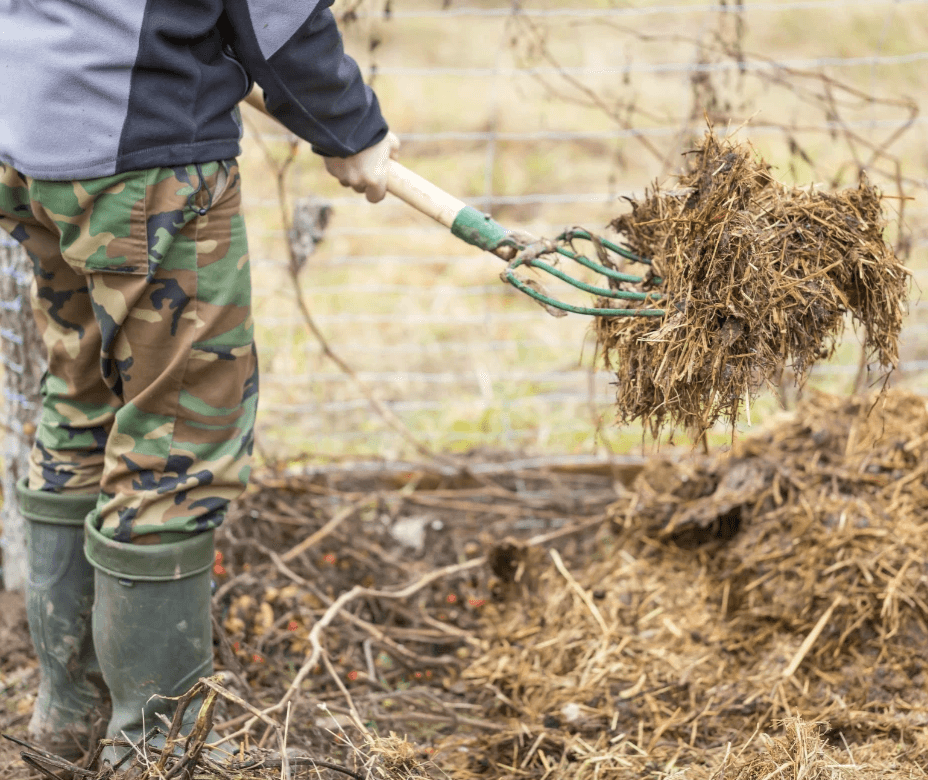
Precision odour neutralisation is a technological approach that neutralises unpleasant odours in a targeted and effective way, without harming the environment or affecting ambient air quality.
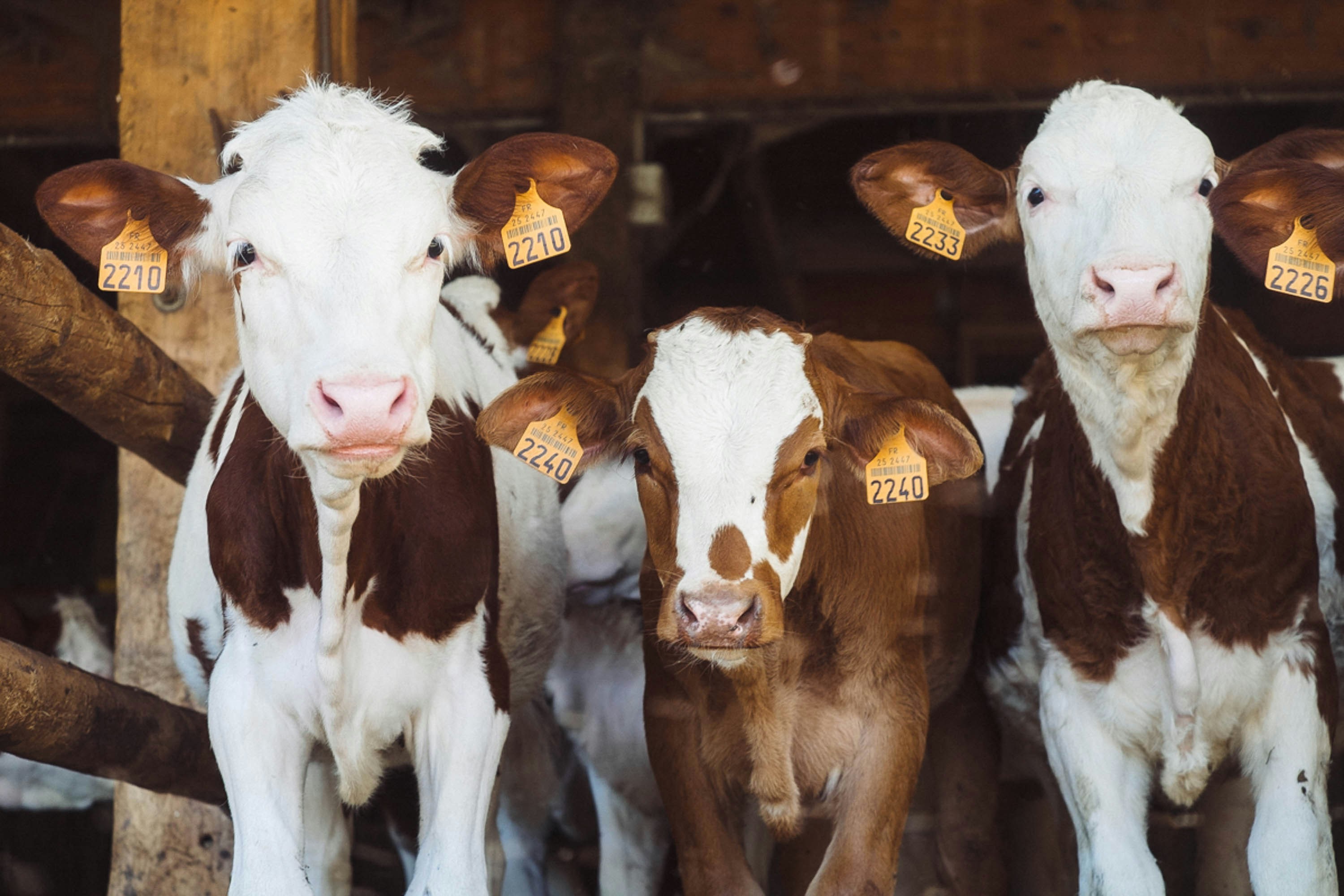
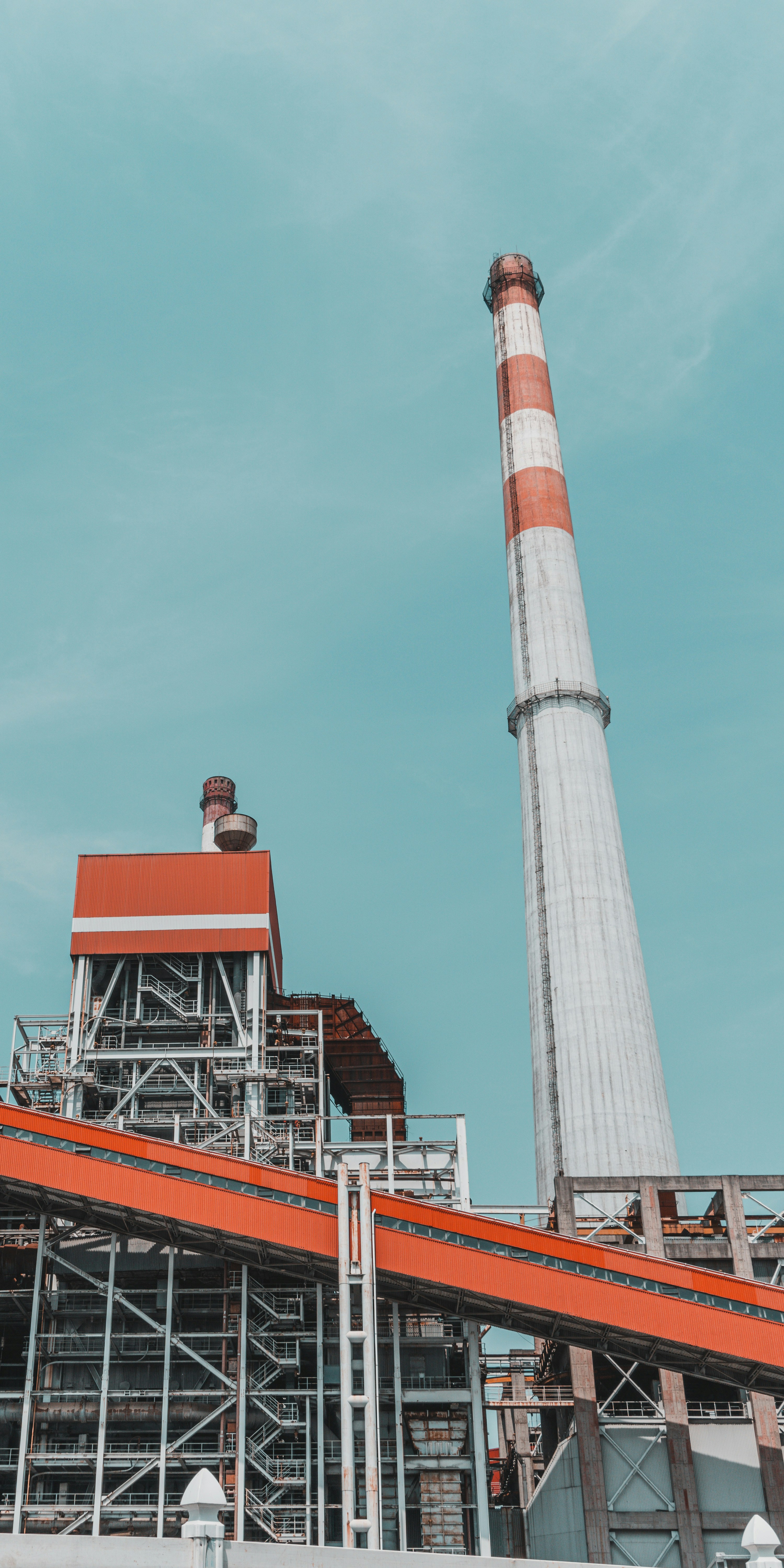
This is particularly important in agricultural and industrial settings, where odours may not only be unpleasant but can also carry health risks.
The chemical and physical properties of odours
Odours are often caused by volatile organic compounds. Human smell responds to the concentration of volatile molecules and their interaction with receptors. Odour-causing molecules spread through the environment by diffusion or air currents.
Odours are not objective phenomena. The smell of any gas, gas mixture, aerosol or dust in the air cannot be interpreted until it meets the receptors in the olfactory epithelium of an animal or human. This is how the sensation of smell arises in the nervous system of that creature or person.
What follows from this is even more exciting: our brain will associate a feeling with the given odour, drawn from our genetically encoded instincts or our store of memories. And the range here is quite wide: nostalgia associated with grandma's strudel, disgust at the smell of spoiled food, or fear when detecting an unfamiliar smell.
Smell is the only sense that bypasses the grey matter and goes straight to the limbic system, which is responsible for emotions.
Methods of odour neutralisation
There are various methods for neutralising odours.
Chemical substances, such as acids or alkalis, which react with odour molecules. This can be a quick solution, but it must be used with care, as it can easily cause secondary pollution.
Adding a pleasant fragrance to mask an unpleasant odour is also a frequently used method, but this is not odour neutralisation; it is so-called "masking", which only in the rarest cases can solve odour problems.
The steps of precision odour neutralisation
To design odour neutralisation that works well locally and operates in a controlled way, we need to go through the following steps:
Identifying the odour sources (Where are they? In which process area do they arise?)
Determining the characteristics of the odour sources:
whether the odour source is a point or an area source
whether it appears in forced airflow or with natural ventilation
whether it arises from biological or chemical processes
continuous or intermittent odour generation
the level of odour concentration (which can be objectively assessed by dynamic olfactometry)
3. Locating the affected residents and their homes based on complaints
4. Examining the effect of wind, weather and terrain on odour dispersion
Based on the above, it can be determined whether to choose covering, air filtration or air purification from the available technologies, or whether a special active agent needs to be applied and automatic control installed for timing and operation.
Sustainability and future challenges
The main challenge of precision odour neutralisation is not only eliminating odours, but finding and applying environmentally friendly and sustainable technology.
Its main goals are:
Developing environmentally friendly technologies that do not cause a secondary environmental burden.
Developing energy-efficient solutions.
Adapting to ever stricter regulations.
Precision odour neutralisation is therefore a complex but effective application of modern technology that contributes to a more liveable and healthier environment.
The Telepszagtalanítás team offers a reliable, working technological solution to every plant and site struggling with unpleasant odours!
We provide a free consultation to everyone who is interested!