Odour control
No more myths! Odours can be measured!

When it comes to odours, we treat myths as facts, and we need to get rid of them very quickly. This is the only way to avoid growing complaints from residents and sanctions from the authorities. Because odour concentration can be measured and odour character identified, we can easily tell what the source of the odour is likely to be. Players in agriculture and the food industry need to prepare for this.
To this day, experts working in odour management (by now true "odour experts") hear claims that may have been accepted as fact 30-40 years ago but no longer hold. Let us look at some catchy claims and why they are wrong:
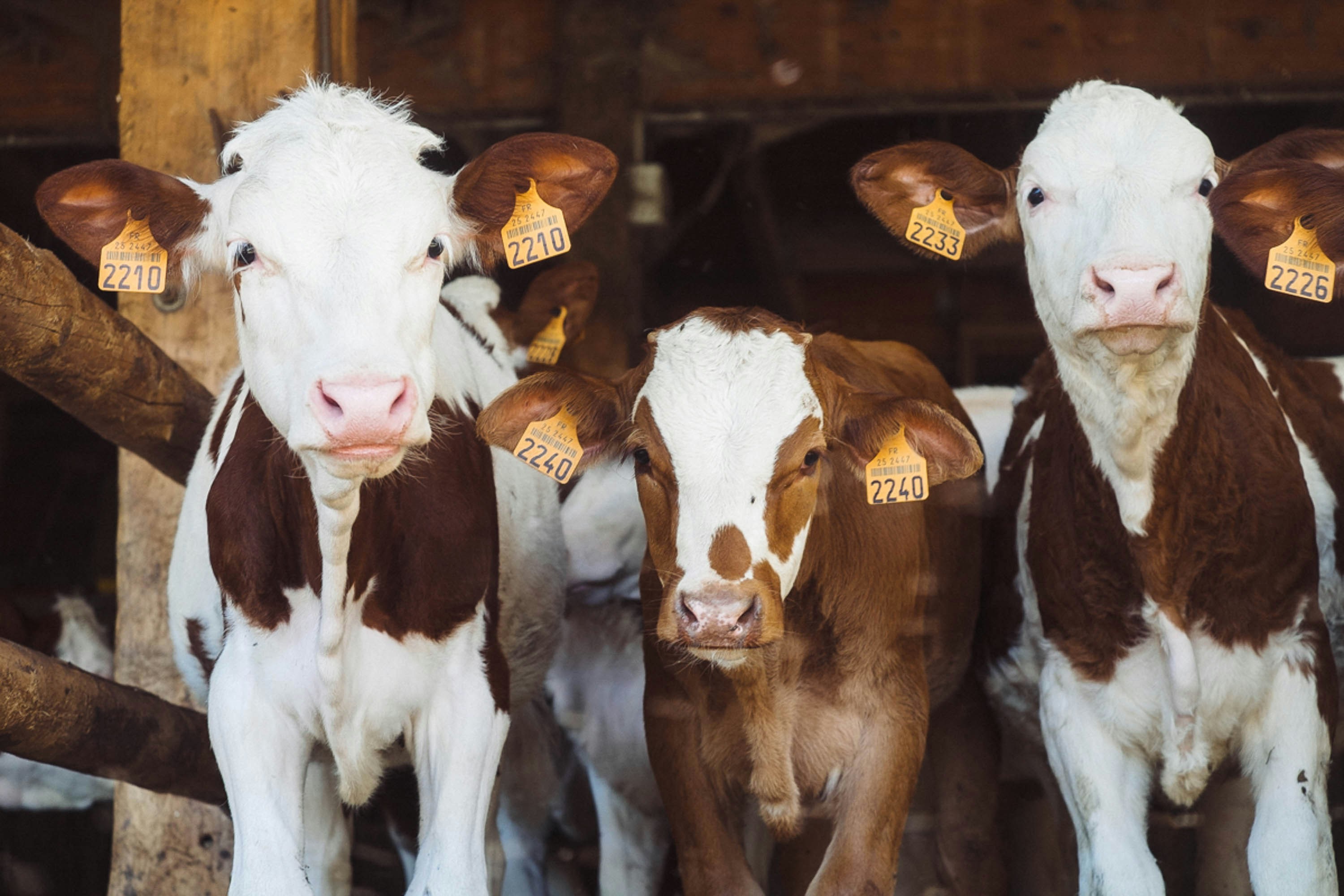
"It doesn't really stink. These are perfectly natural smells." - says the manager of a pig farm. The second half of the statement is true, since the odours from both animal husbandry and manure handling are produced by natural decomposition processes. The claim that it "doesn't stink" may be his personal opinion. Local residents, however, probably see it differently, and for them it may be so disturbing that it can even trigger physiological effects. This is no longer a fairy tale told by fussy city folk! Medical research shows that, in the long term, nuisance odours cause psychological stress that leads to real illness, dizziness, nausea and a miserable sense of wellbeing.
"That's not a stench, that's the smell of the countryside. Anyone who moves here knows what to expect." - this is genuinely how the farm manager sees it when villagers complain during manure spreading. But we are not all the same, and there is a concrete reason for this. With odours, the strongest effect is the emotional response triggered by the stimulus, whether positive or negative. For the agricultural professional, the world of animals means a livelihood, work, closeness to nature and a familiar environment. For him these are pleasant smells, because they are linked to everything that is good. For residents who work in other professions, for example, these odours are not simply disturbing but unfamiliar. And the unfamiliar is strange, it frightens us, and unfamiliar odours often make us think the worst. "Maybe this comes from some harmful activity. Maybe it is even bad for our health. Am I in danger now?" - asks the frightened mother, who has no idea why she can smell that intense manure odour, which is not the same as the one carried on the wind from, say, a small backyard farm. For her it is not a pleasant smell, which in many cases stems purely from a difference in associations.
"Nobody can determine where the odour is coming from." - this was the defence of a manufacturing plant's lawyer at a public forum. Odour sources can be located quickly with just a few site walkovers, especially if the odour is caused by continuous or regular activity. Occasional odour polluters (who emit on only a few days each year) may perhaps be able to dodge responsibility, but technological progress makes this less and less possible.
"Odours cannot be measured; you cannot say how bad something smells." - the technical director of a food factory said in defence against the accusations he faced. His claim of course proved to be wrong, as a standard for examining the character and concentration of odours in an accepted way was already adopted in the European Union in 2003. And since 1 January 2020, VM Decree 4/2011 (I. 14.) (on air pollution limit values and emission limit values for stationary point sources of air pollution) even specifies exactly what odour concentration may reach residential areas.
The competent environmental authority may therefore order odour concentration measurements and require them to be carried out according to the MSZ EN 13725 standard procedure. This method is dynamic olfactometry. The result of the test is the odour concentration itself, measured in odour units per cubic metre (OU/m3). Although the average person can barely detect an odour concentration below 10 OU/m3, the legislation provides that, in the case of intensive livestock farming, residents must not be exposed to odour at a concentration above 3 OU/m3. Naturally, at the source where the odour is generated, the concentration can be many times higher, since odour-laden air is continuously diluted as it disperses, and the original odour concentration falls with every metre.
The best defence against odour complaints is preparation. Livestock farming involves odours, so we must be open to residents' questions and expectations. If a complaint backed by measurements arrives, we need to have a suitable odour reduction solution in place. This is where Telepszagtalanítás technology helps. Cost-effective neutralisation of odours from agriculture and the food industry is easy to achieve with the proven Telepszagtalanítás solution, as confirmed by the case of several leading Hungarian industry players.
Source: Precíziós Gazdálkodás Interaktív Magazin, 2025 Issue I (https://preciziosgazdalkodas.com/ )