Odour
When measurement and modelling provide the answer together

An odour emission value on its own does not necessarily tell you when and where the odour will be perceptible in the surrounding area. This is where odour dispersion modelling can play an important role.
By taking into account emission data together with meteorological and site conditions, modelling can help reveal how odour disperses and show which areas may be affected under different conditions.
This can be particularly useful for complex sites, or when we want to use the time and location of residents' complaints to find a link between meteorological conditions, process operation and the perceptible odour impact.
In this way, measurement provides data on the odour emission, while modelling can help us understand its likely environmental impact.
Technical intervention must target the real odour source
One of the most common mistakes in odour reduction is an intervention that does not address the real cause of the problem.
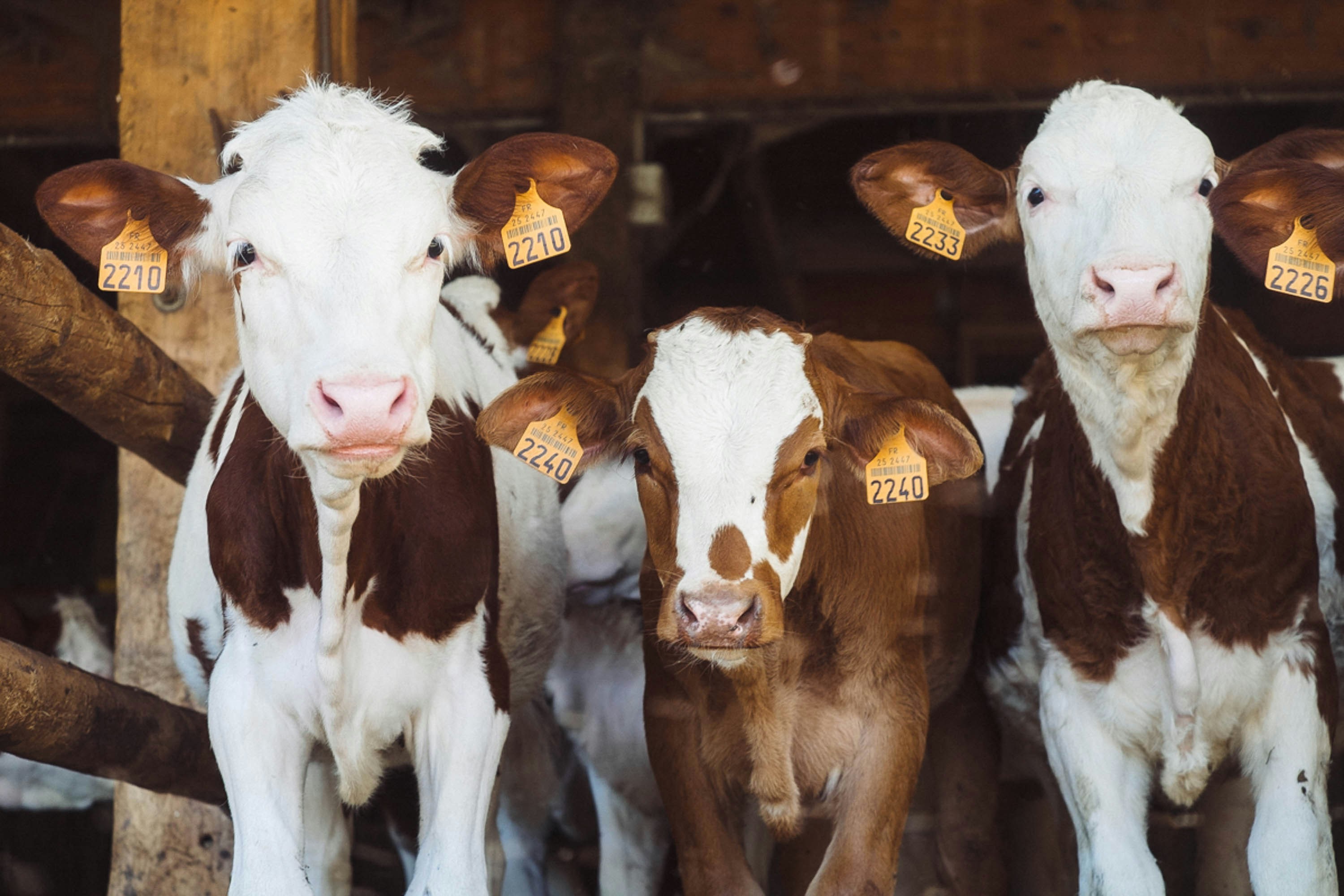
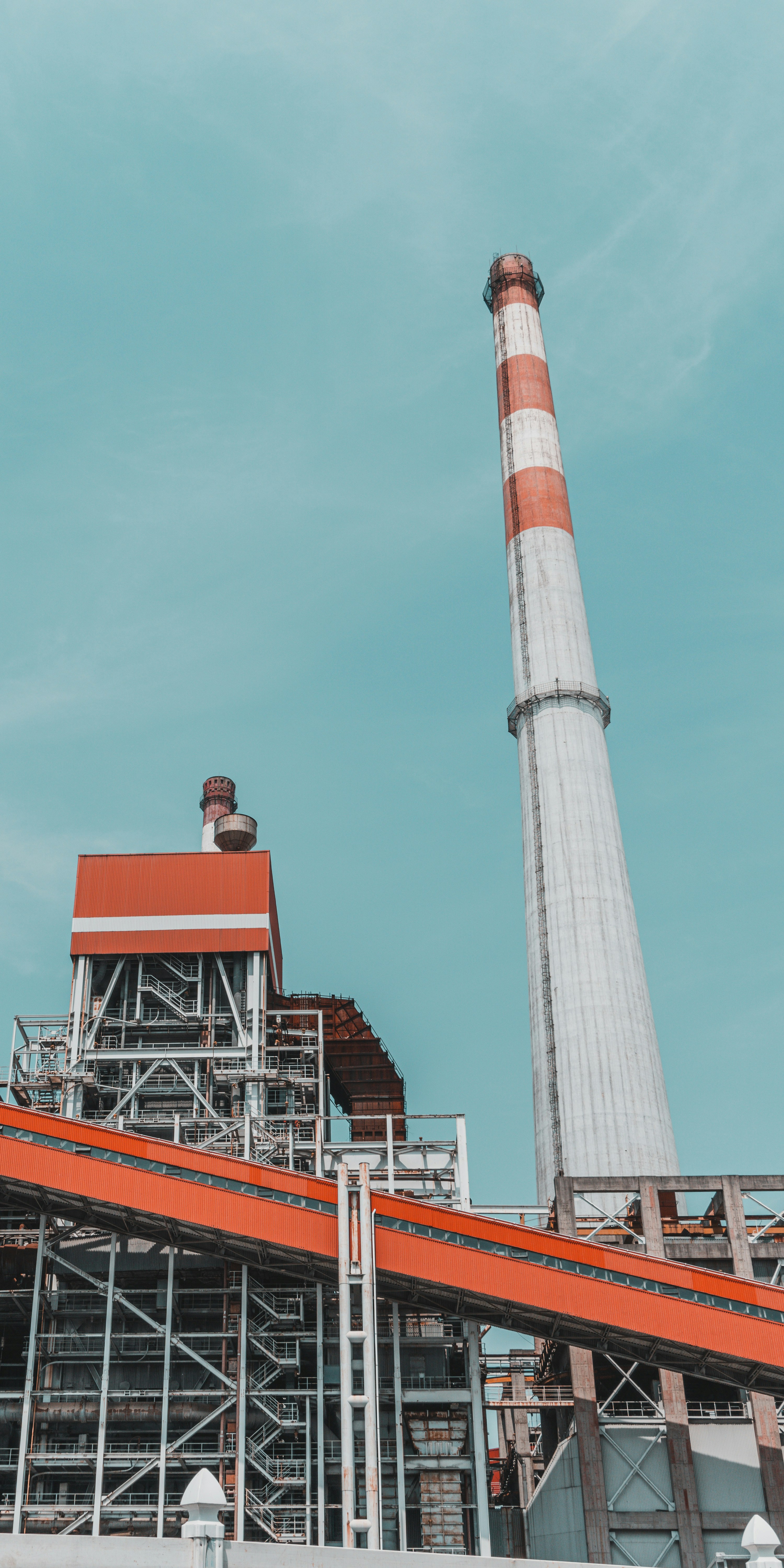
Several different processes on a site can contribute to the odour load: the livestock housing system, manure handling, storage, raw material handling or other technological processes. If we do not know which odour source is dominant, a costly intervention may easily deliver only limited results.
That is why targeted technical intervention is always based on prior root-cause analysis.
The right solution may be, for example, optimising a process, treating an emission point, applying a suitable odour reduction technology, or a combination of several measures.
The point is always the same: intervene where the greatest effect can be achieved.
Steps to an effective solution
A well-structured odour management process typically consists of several consecutive steps:
1. Structured recording of complaints
Collecting the time, location, frequency and circumstances of complaints is an important starting point for identifying the causes.
2. Informing residents and other stakeholders
A transparent process and appropriate communication help to build trust.
3. Representative measurement
With the right measurement method, the magnitude and nature of the odour emission can be determined.
4. Identifying the dominant emission points
The aim is to identify which sources play a decisive role in the odour load.
5. Odour dispersion modelling where necessary
Evaluating measurement data together with environmental conditions gives a more accurate picture of how the odour spreads.
6. Targeted technical intervention
Design and implementation of a technical solution tailored to the identified problem and the dominant sources.
7. Follow-up and re-measurement
The effectiveness of the intervention must also be verified with objective data. If necessary, further measures, measurements or modelling may follow.
A long-term solution is built on cooperation
Site odour problems can rarely be solved by a single party working alone. Cooperation between the measurement expert, the modeller, the technology specialist, the authority, the operator and – where necessary – the affected residents can provide a truly solid basis for dealing with the problem.
The goal is not simply to respond quickly to a complaint, but to ensure that the odour source can be identified, the load can be measured, the intervention is targeted and the result can be verified.
Modern odour management is therefore not about a single product, measurement or technology, but a data-driven process built step by step, in which measurement shows what is happening, analysis helps uncover the causes, and technology makes targeted intervention possible.
The most important principle is simple: first understand the source of the emission, then intervene where the greatest result can be achieved.
Effective odour reduction does not start with masking the odour, but with a precise understanding of the problem.