Odour control
Benefits of our technology
Benefits of our technology
Average odour reduction is 90% in enclosed spaces and 70% in open areas.
Measurable odour reduction, not masking, not perfuming.
Physical principle of action: capturing and neutralising odour molecules in the air.
A technology used worldwide for more than 35 years.
The solution is completely safe for the environment, people and animals.
Our experts always provide a solution optimised for the site.
Ongoing Hungarian-language support for our partners.
Case studies and measurement results
Real on-site measurements and accredited olfactometry: proven odour reduction.
Case studies and measurement results
Real on-site measurements and accredited olfactometry: proven odour reduction.
Case studies and measurement results
Real on-site measurements and accredited olfactometry: proven odour reduction.

91.5%
Pig slaughterhouse
Dynamic olfactometry (untreated vs. treated) showed a 91.5% reduction in odour concentration at the roof fan outlet.

90.5%
Wastewater pumping station
Open-air measurement downwind: a 90.1% reduction, eliminating the nuisance around the nearby event venues. (Laboratory verified.)

72.2%
Poultry slaughterhouse outdoor waste
We measured the effect with a mobile odour control unit: a 72.2% reduction in ambient odour load. (Customer feedback + measurement.)

100%
Mobile system for manure spreading
Using a mobile unit during manure spreading, complaints from residents stopped; although several thousand m³ of material was moved, the company received no complaints. (Customer case study.)
The measurements show that the osmogenic barrier solution delivers real, measurable odour reduction in industrial and agricultural settings. This reduces complaints from residents, improves the site's surroundings and supports regulatory compliance. The results were measured by independent, accredited laboratories.
Our technology
Telepszagtalanítás's osmogenic barrier technology comes from the Italian company Labiotest Srl. Labiotest Srl. has been working in the fields of air quality and environmental protection since 1988.
The unit releases a mixture of water and odour control concentrate into the air as a fine micro-droplet mist, where the droplets come into contact with the odour molecules. There are several ways to create the mist: low- or high-pressure atomisation, two-fluid (bifluid) nozzles, ultrasonic misting and evaporation.
The osmogenic barrier is most effective where odour is released diffusely from a large, open surface, for example at composting sites, waste sorting facilities or wastewater treatment basins. At such sites, covering, extraction and air filtration are very expensive to install, whereas the barrier treats the odour in open air.
In the design we take into account the location of nearby residential areas, the prevailing wind direction and the weather. The finer the mist, the larger the surface on which it meets the odour molecules. Nozzle positions are chosen to cover the entire odorous surface, and their number and output are matched to the volume and velocity of the outgoing air. Operation is programmable, so the system runs when production, weather or wind direction actually require it.
Applications in agriculture
Cattle, poultry and pig farms
Feed and compound feed mills
Protein processing plants
Slaughterhouses
Manure storage and processing
Composting sites
Biogas plants
Wastewater and waste treatment


Applications in industry
Sugar factories
Yeast factories
Canning
Food industry
Flavour production
Plastics and metalworking plants
Paint shops
Industrial kitchens
91.5%
Pig slaughterhouse
Dynamic olfactometry (untreated vs. treated) showed a 91.5% reduction in odour concentration at the roof fan outlet.
90.5%
Wastewater pumping station
Open-air measurement downwind: a 90.1% reduction, eliminating the nuisance around the nearby event venues. (Laboratory verified.)
72.2%
Poultry slaughterhouse outdoor waste
We measured the effect with a mobile odour control unit: a 72.2% reduction in ambient odour load. (Customer feedback + measurement.)
100%
Mobile system for manure spreading
Using a mobile unit during manure spreading, complaints from residents stopped; although several thousand m³ of material was moved, the company received no complaints. (Customer case study.)
The measurements show that the osmogenic barrier solution delivers real, measurable odour reduction in industrial and agricultural settings. This reduces complaints from residents, improves the site's surroundings and supports regulatory compliance. The results were measured by independent, accredited laboratories.
Applications in agriculture
Cattle, poultry and pig farms
Feed and compound feed mills
Protein processing plants
Slaughterhouses
Manure storage and processing
Composting sites
Biogas plants
Wastewater and waste treatment
Applications in industry
Sugar factories
Yeast factories
Canning
Food industry
Flavour production
Plastics and metalworking plants
Paint shops
Industrial kitchens
Our technology
Telepszagtalanítás's osmogenic barrier technology comes from the Italian company Labiotest Srl. Labiotest Srl. has been working in the fields of air quality and environmental protection since 1988.
The unit releases a mixture of water and odour control concentrate into the air as a fine micro-droplet mist, where the droplets come into contact with the odour molecules. There are several ways to create the mist: low- or high-pressure atomisation, two-fluid (bifluid) nozzles, ultrasonic misting and evaporation.
The osmogenic barrier is most effective where odour is released diffusely from a large, open surface, for example at composting sites, waste sorting facilities or wastewater treatment basins. At such sites, covering, extraction and air filtration are very expensive to install, whereas the barrier treats the odour in open air.
In the design we take into account the location of nearby residential areas, the prevailing wind direction and the weather. The finer the mist, the larger the surface on which it meets the odour molecules. Nozzle positions are chosen to cover the entire odorous surface, and their number and output are matched to the volume and velocity of the outgoing air. Operation is programmable, so the system runs when production, weather or wind direction actually require it.
How does it work?
How does it work?
01
Odorous air
02
Step two
03
Step three
04
Step four
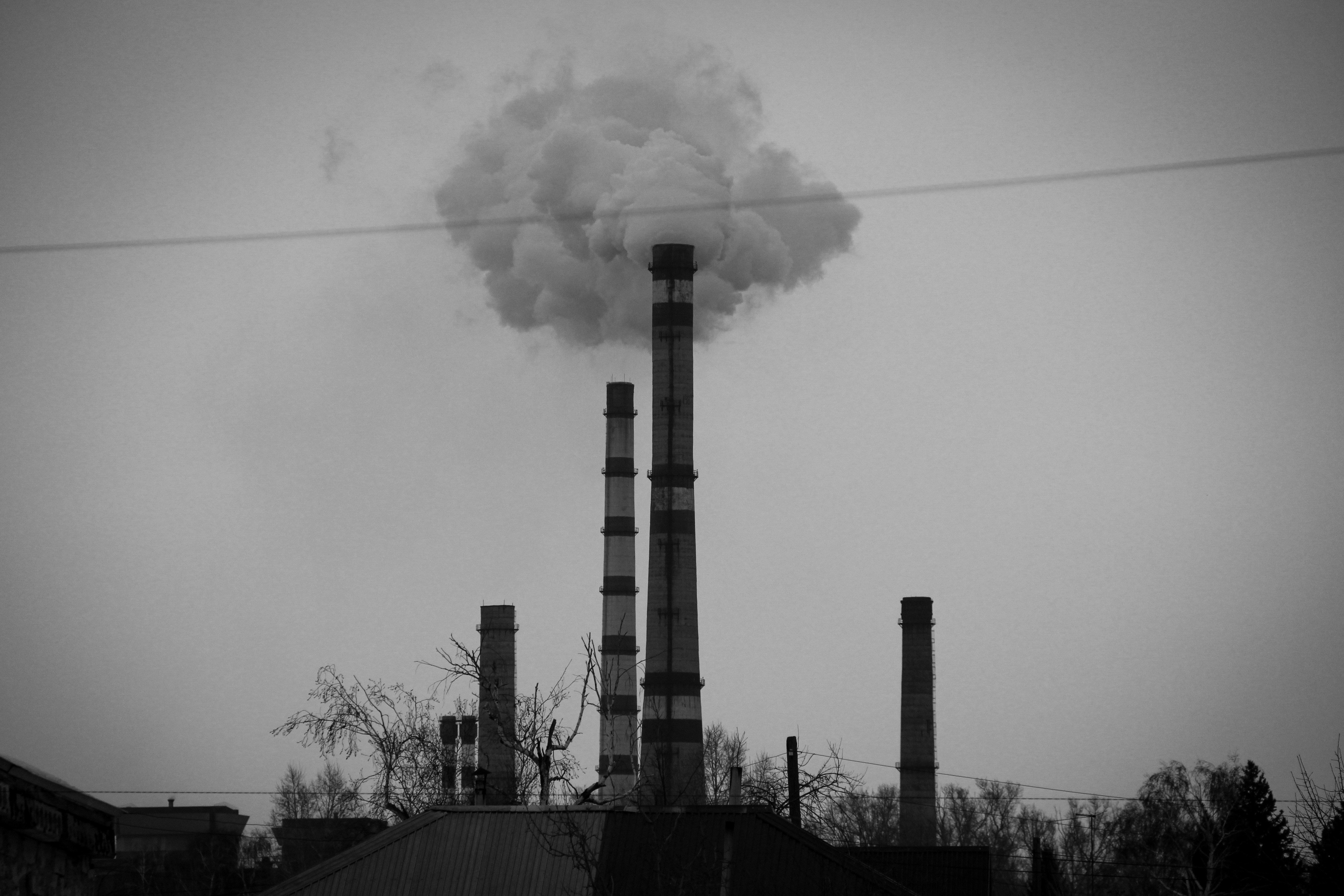
01
Odorous air
02
Step two
03
Step three
04
Step four
Get in touch with us with any questions!
Contact us for an on-site survey!




Get in touch with us with any questions!
Contact us for an on-site survey!


Get in touch with us with any questions!
Contact us for an on-site survey!